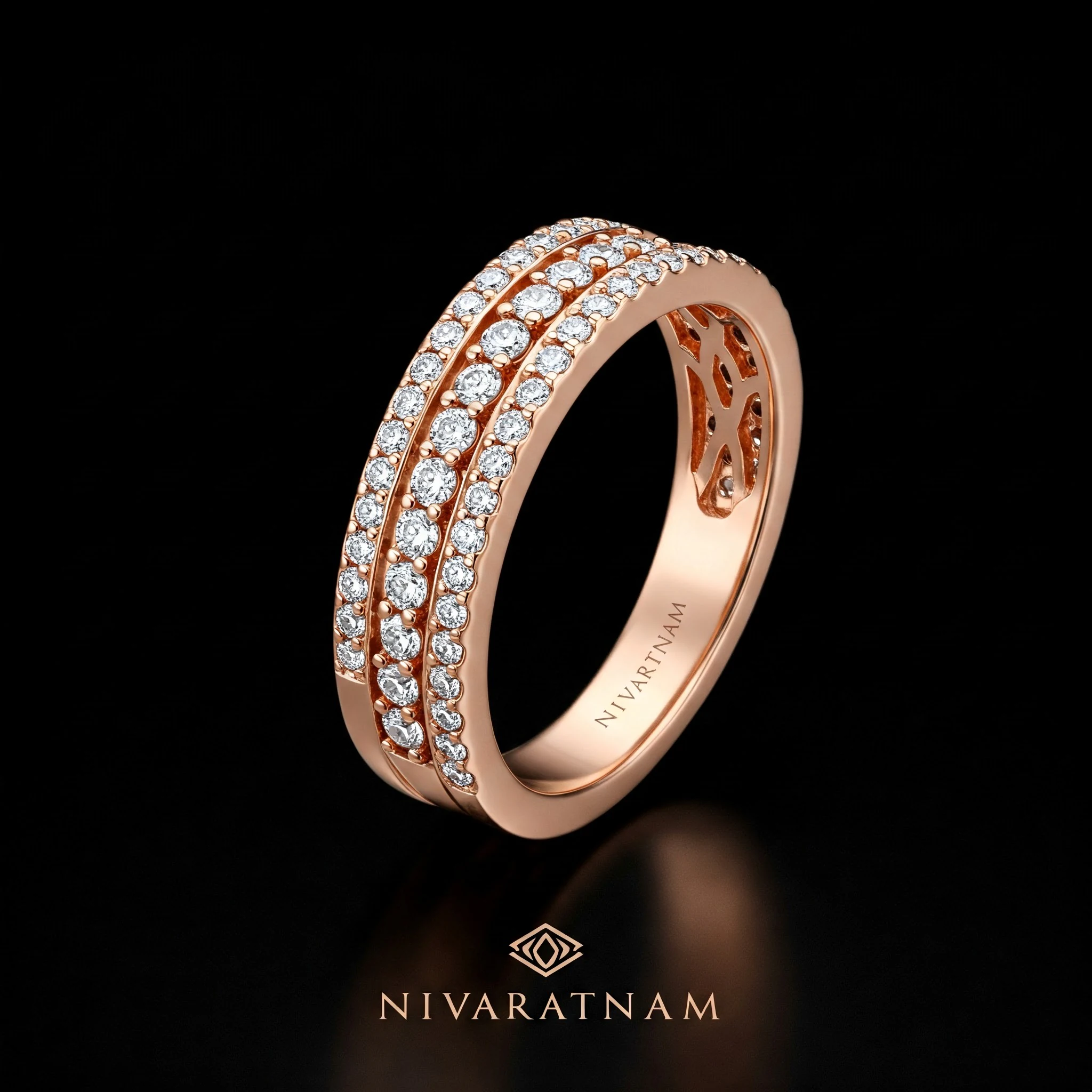
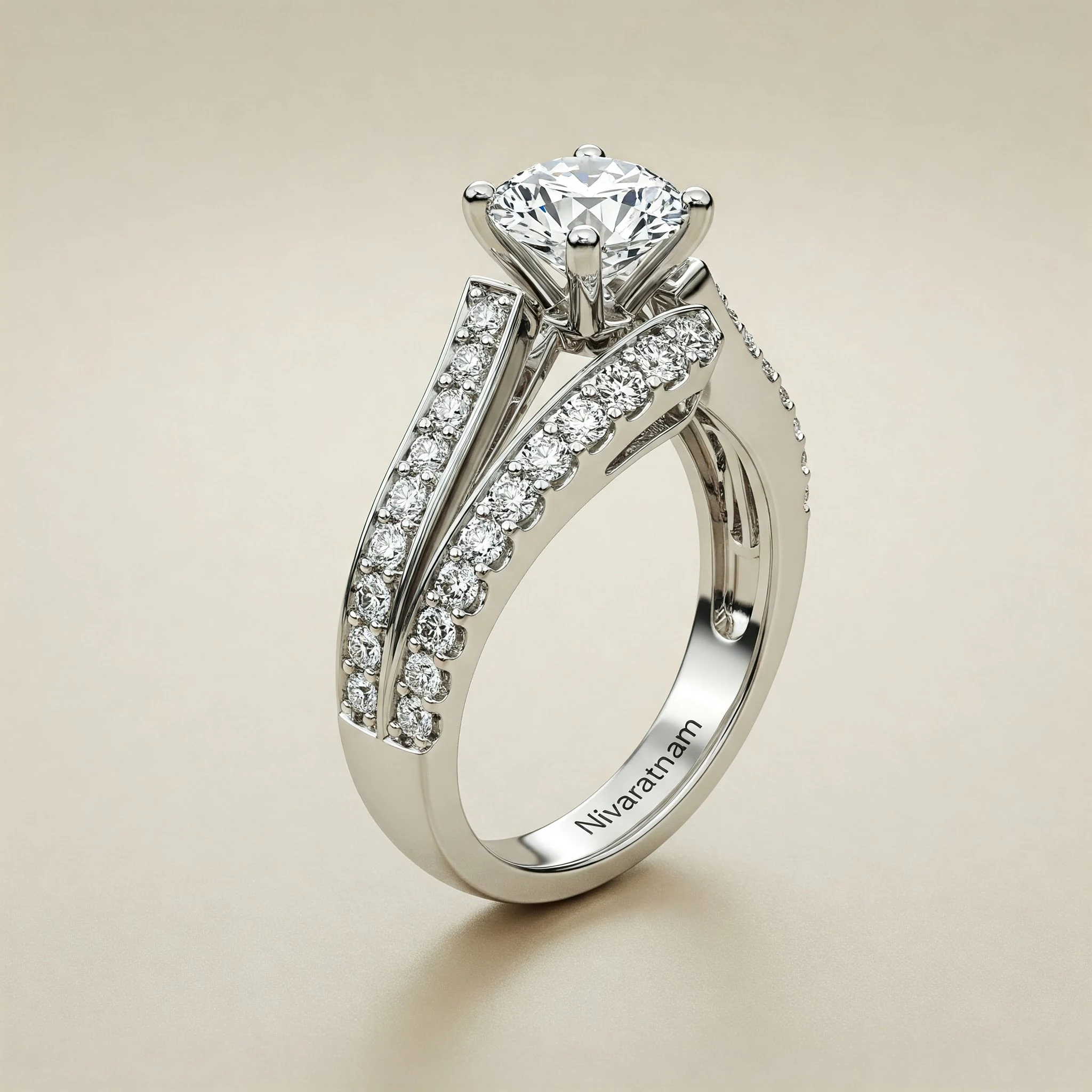
A comprehensive guide to understanding the differences, benefits, and considerations when choosing between lab-grown and natural diamonds for your jewelry.
Lab-grown diamonds are real diamonds created in controlled laboratory environments using advanced technological processes that replicate the conditions under which natural diamonds form in the Earth's mantle.
These diamonds possess the same physical, chemical, and optical properties as natural diamonds. They are composed of pure carbon arranged in the characteristic diamond crystal structure.
Natural diamonds are formed deep within the Earth over billions of years under extreme heat and pressure. They are brought to the surface through volcanic eruptions and are mined from kimberlite pipes and alluvial deposits.
Each natural diamond is unique, with its own story spanning millions of years. They have been treasured throughout human history for their rarity and beauty.
Side by Side
Understanding the key differences to make an informed choice.
Common Questions
Visual inspection alone is not a reliable origin test. Properly equipped gemological laboratories use instruments and growth characteristics to distinguish lab-grown from natural diamonds.
Yes. Lab-grown diamonds have the diamond crystal structure and carbon composition; their disclosed origin and growth process differ from diamonds formed in the earth.
Jewelry should not be presented as a guaranteed investment. Resale outcomes vary by stone, documentation, condition, market, and buyer; ask for any buyback or valuation terms in writing and compare them independently.
Compare origin preference, visual size, grading information, budget, design, and the documentation included with the quoted stone. Neither origin replaces careful cut and setting selection.
Whether you prefer lab-grown or natural diamonds, each quotation follows the same documented brief for stone, metal, measurements, finish, and included reports.
Book Consultation